Explore Near Me
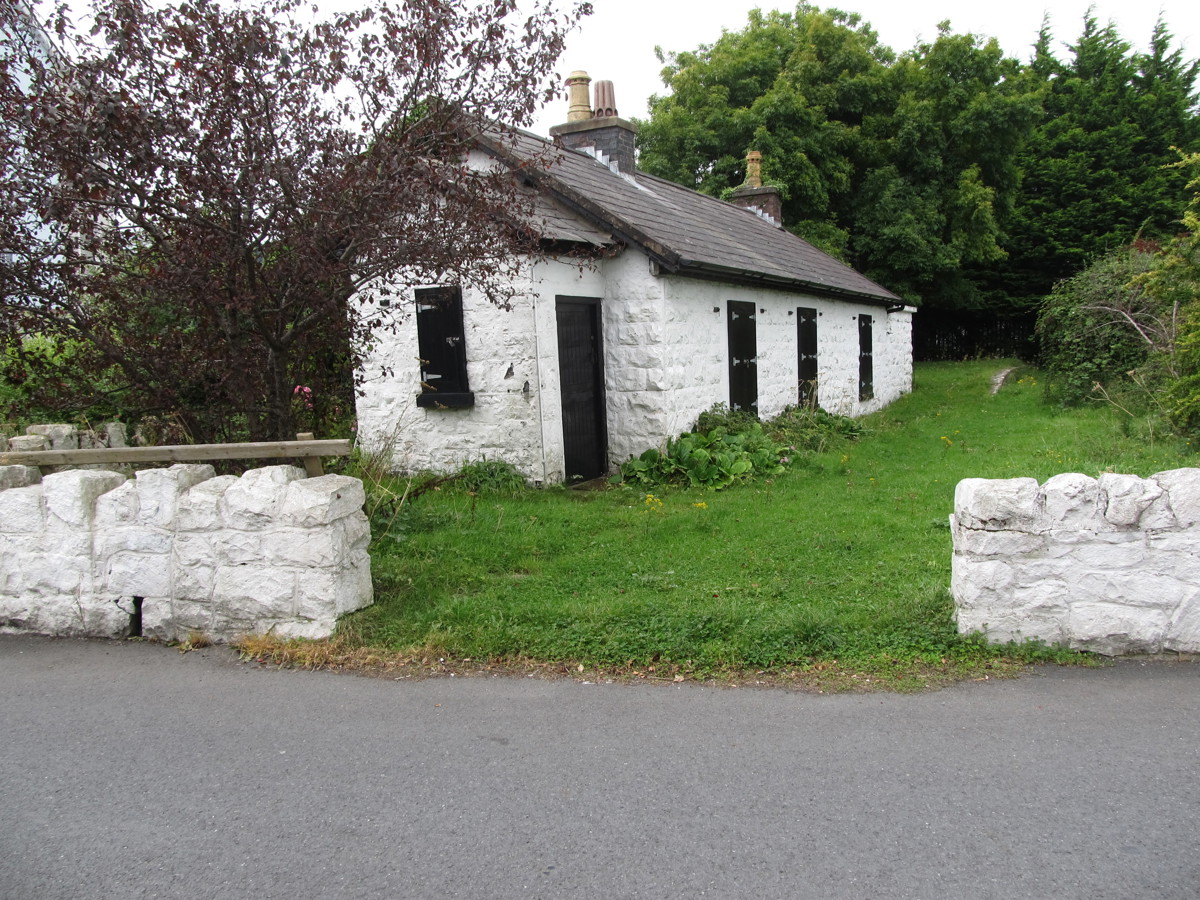
Omeath Station
Often referred to as "The Railway Cottage", this was the railway station for Omeath for the DGNR Dundalk Greenore Newry Railway 1876-1951. It took an Act of Parliament in London to wind up the railway company 1956. The platform is still visible today in the cottages garden.
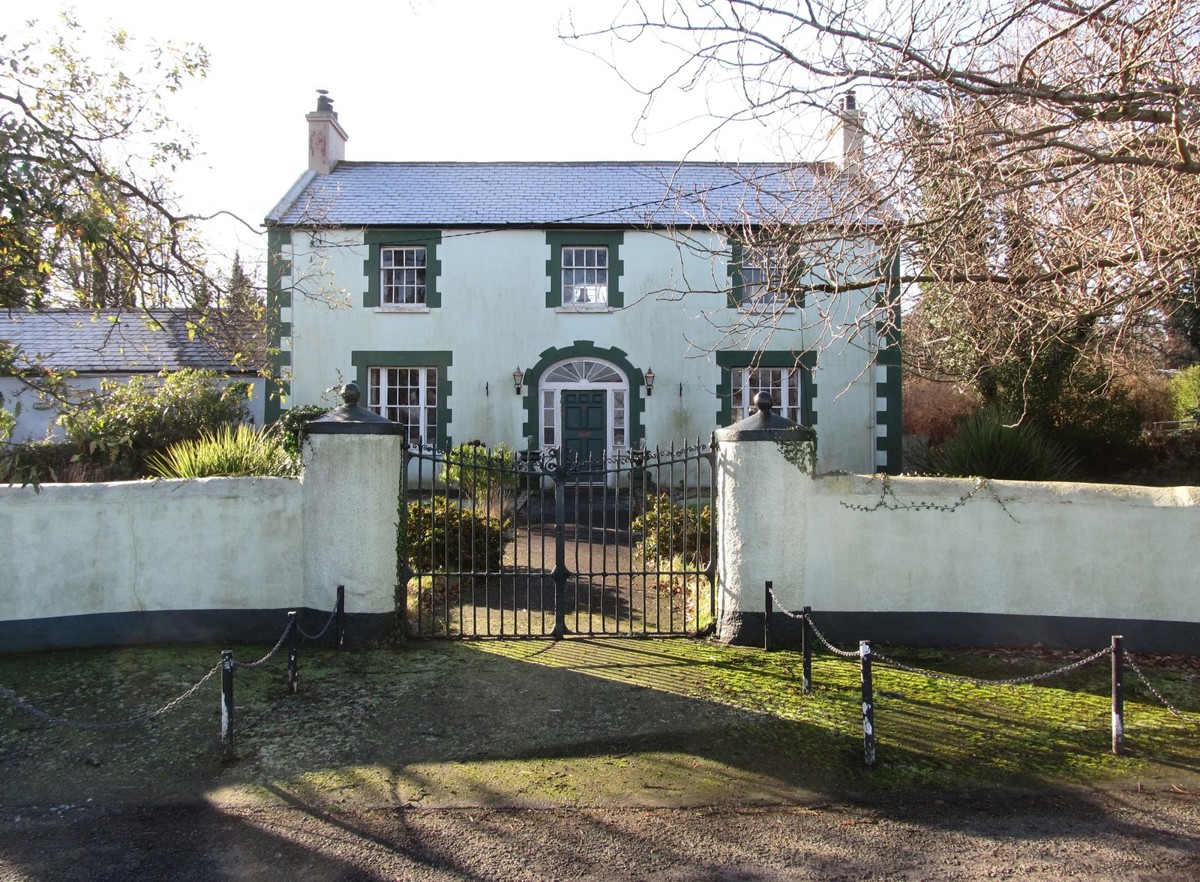
Bayview House
Bayview House, located on Shore Road in Omeath, is a distinguished historic house dating from around 1778-1820. A long-established residence built by Captain James O’Hagan and owned by the Marquis of Anglesea.
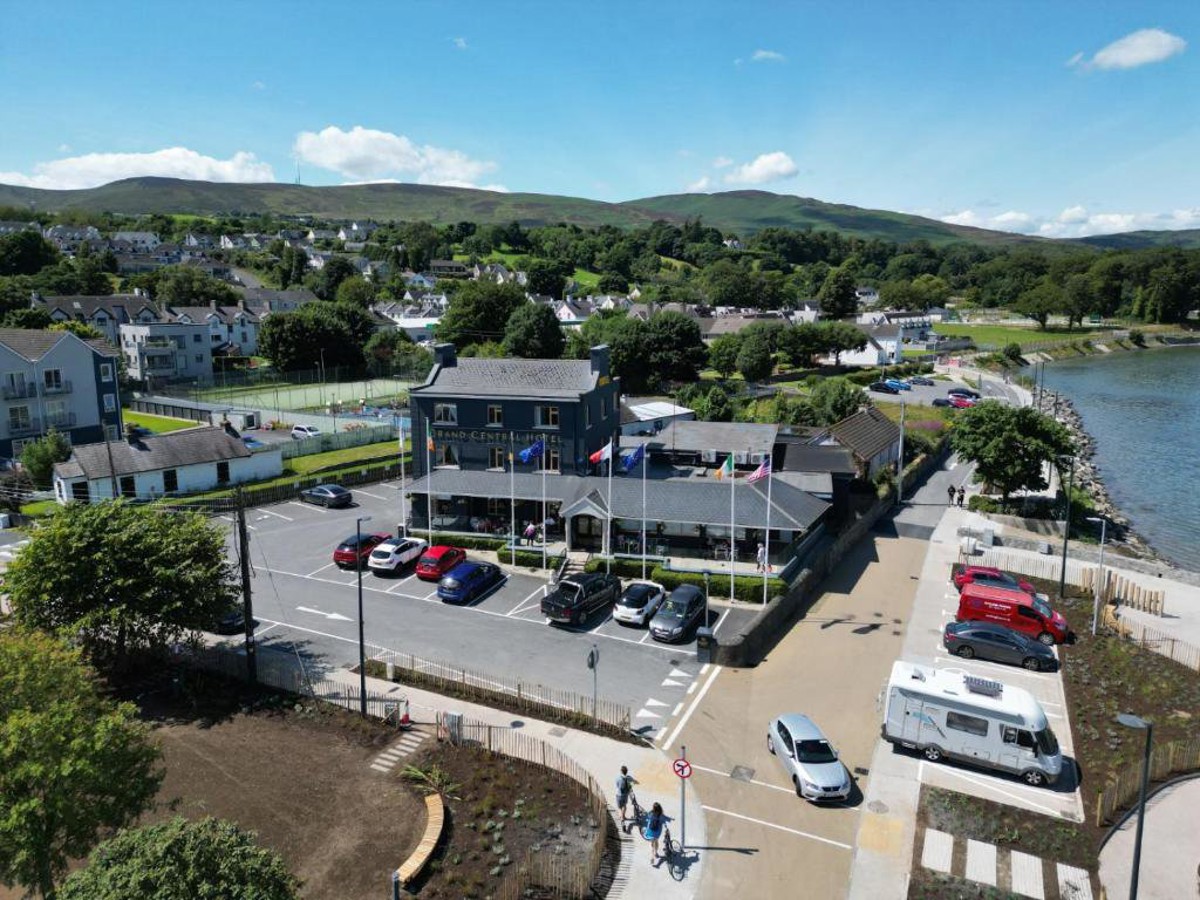
Grand Central Hotel
The Grand Central Hotel in Omeath, County Louth, has been a cornerstone of the local community for nearly a century. Established in 1925, the original structure was a wooden building situated adjacent to the train station on the Newry to Greenore railway line, strategically positioned to accommodate visitors arriving by rail. During this period, Omeath was a favored destination for tourists, particularly from Northern Ireland. In 1939, the hotel underwent a significant transformation with the construction of a new stone edifice, enhancing its capacity and amenities to better serve its guests. Despite the eventual closure of the railway, Omeath maintained its appeal as a tourist locale, prompting further upgrades to the hotel in the 1990s to meet the evolving needs of visitors. For over four decades, the establishment was known as the Granvue Hotel, under the proprietorship of the late Laurence and Josephine Brennan. Their stewardship reinforced the hotel's status as a central hub for social and cultural activities within the village. In 2024, the hotel returned to its original name, the Grand Central Hotel, in anticipation of its 100th anniversary in 2025. This rebranding reflects an homage to its rich history and enduring presence in the community. This hotel was closely linked with the railway. Indeed, on its last journey to Greenore from Newry, New Year’s Eve 1951, the train stopped to pick up some dignitaries, their reluctance to leave delayed the train and made its last journey a late one.
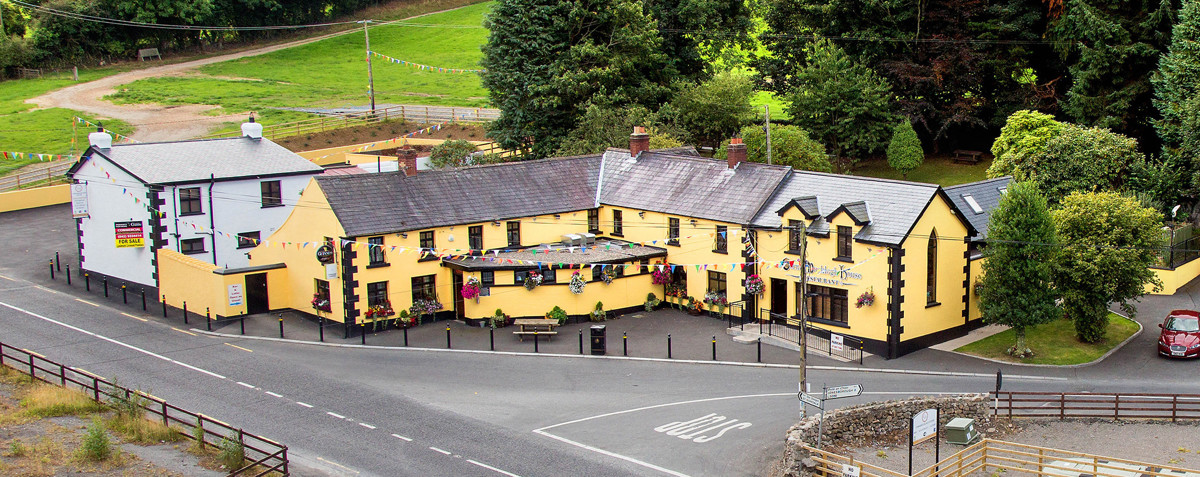
Cornamucklagh House
Owned by the King family, and formerly by the Davey family. Prior to this, it was known as Buckleys and prior to that as Paddy Mc Cann's.
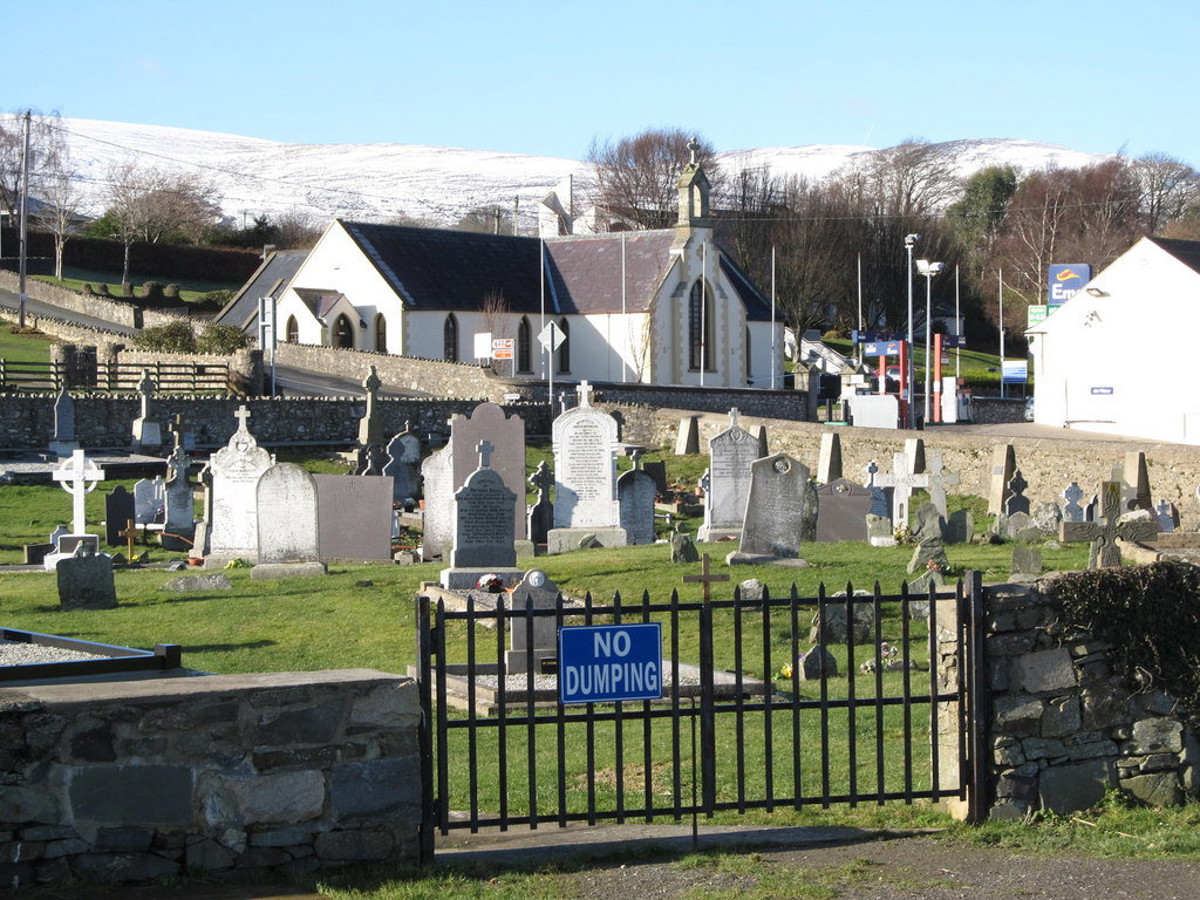
Cille Caim
The old graveyard in Omeath is known to locals as Cille Caim. The site of the first ‘prayer house’ in Omeath, with grave stones dating back to 1760, many local graves were marked simply with a humble stone from the shore. The more modern upper graveyard has graves dating back to 1963.
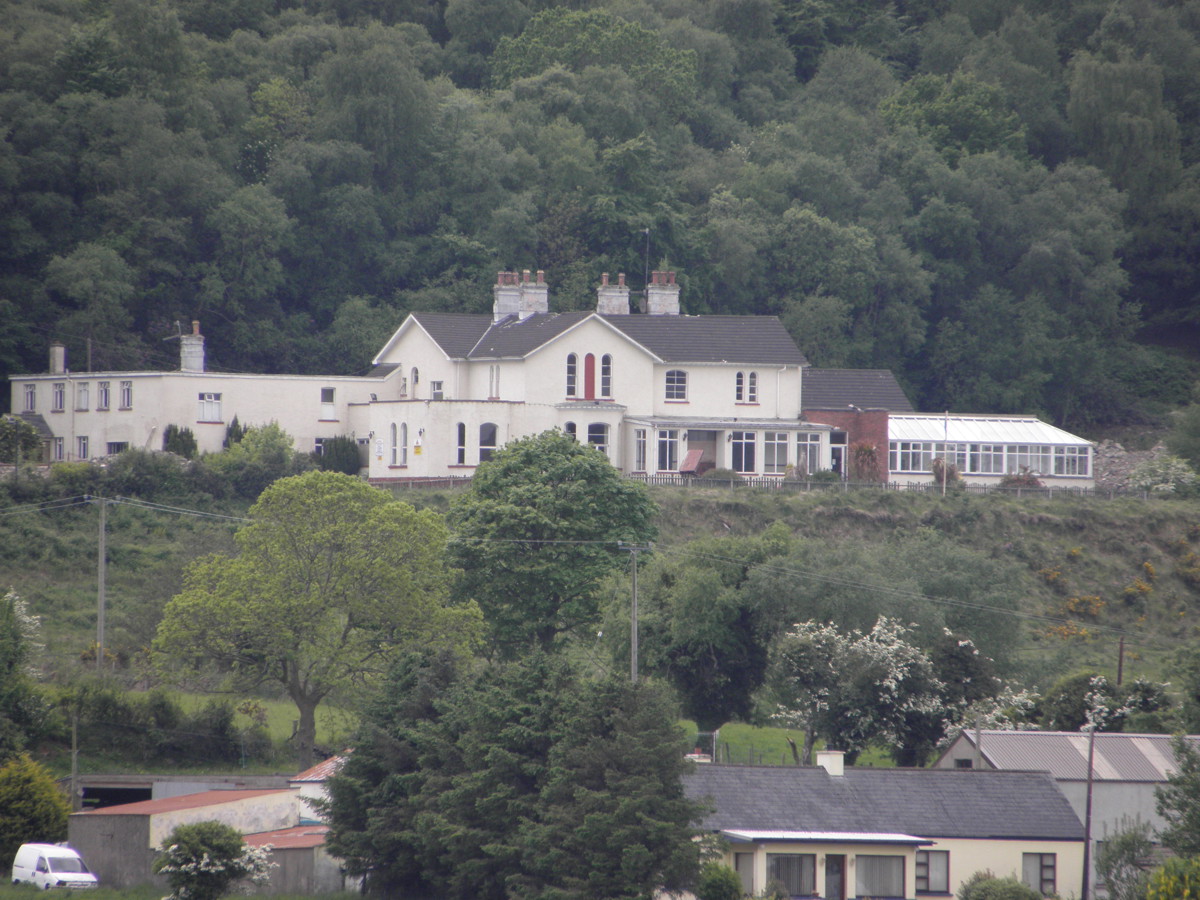
Omeath Park
InaccessibleBuilt 1862, this was the residence of John Obins Woodhouse Q.C. He was a local landlord owning three of the ten townlands of Omeath. He was survived by his son John who died after a sudden illness and his younger son Curren then inherited the estate. Later the house was bought by the Doyle family and turned into a hotel known as The Park Hotel. It continued to trade as a hotel until the early 2000s.
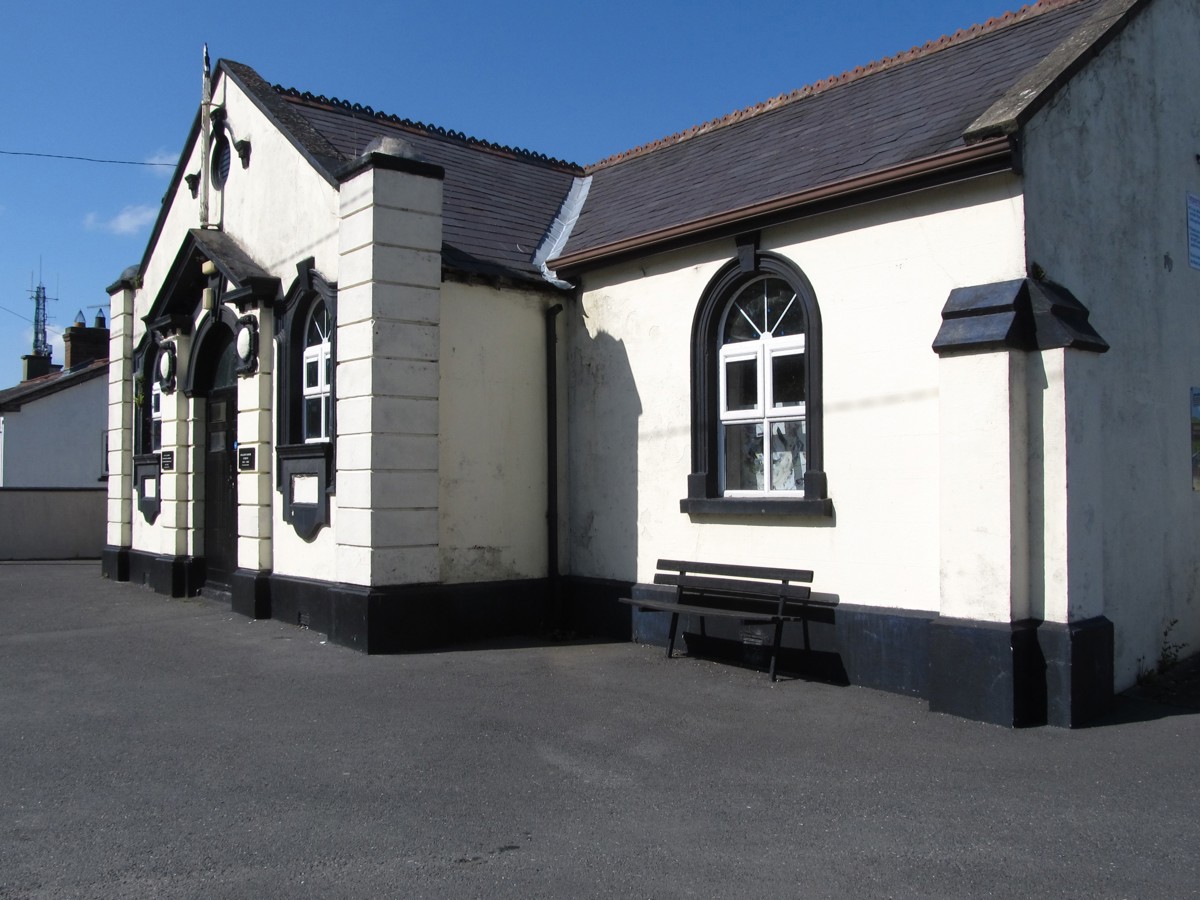
Omeath INF Hall
Opened by this benefit society in 1914, used by Coláiste Bríde mostly for céilís and other gatherings.
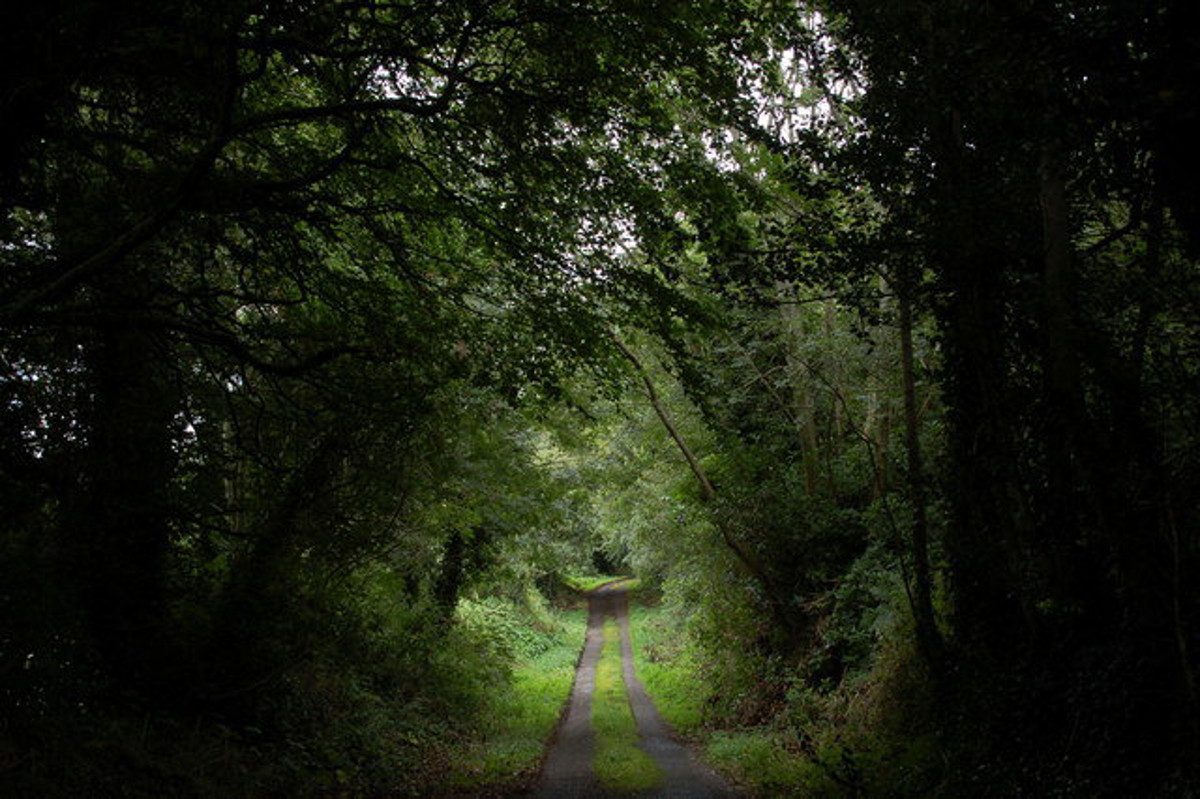
Ferry Wood
This was the site of a monastery Cill an Snámh. It was attacked by raiding Vikings, who slaughtered the monks. The only survivor was the Abbot who was visiting another monastery in Carlingford. The forest here contained a local Cillín Killeen; a place where unbaptised babies, those who died at sea and those who died by suicide were buried, as this was prohibited in consecrated ground.
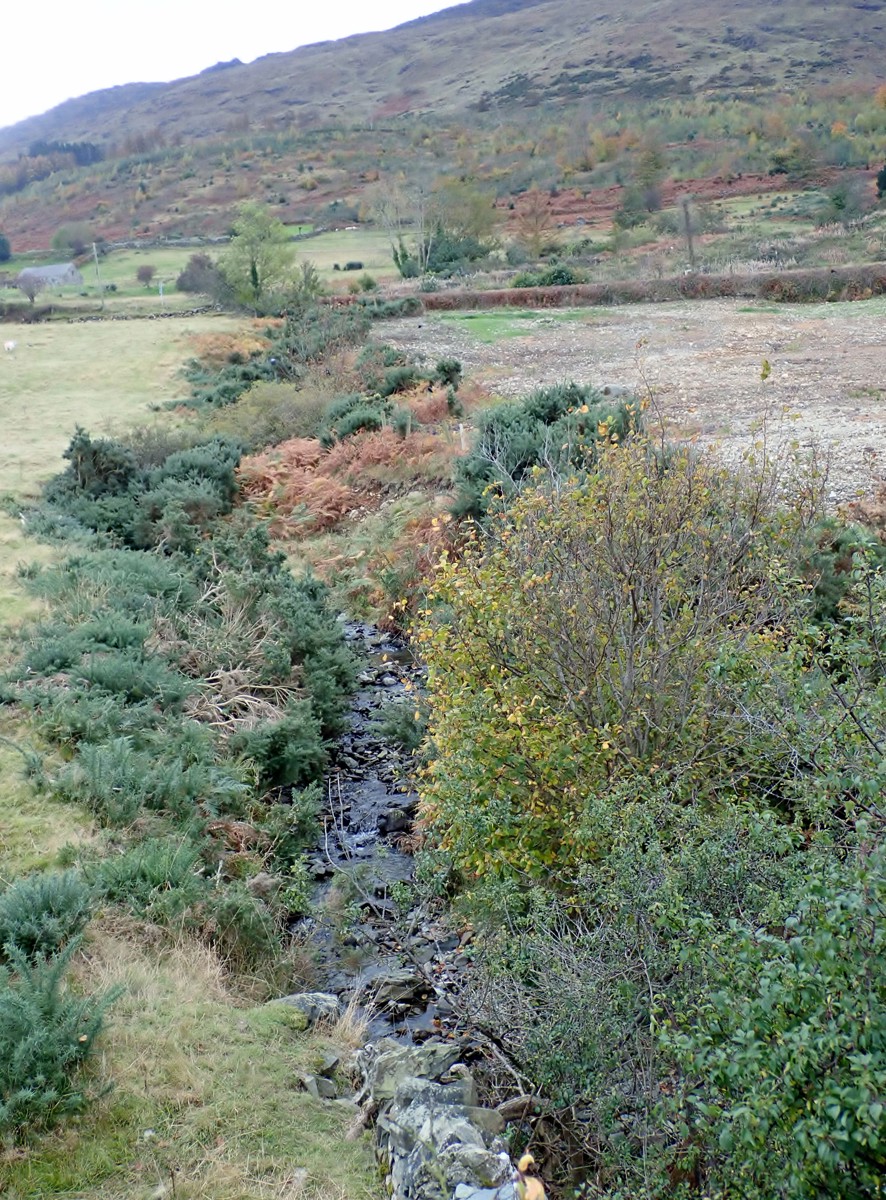
Two Mile River
The traditional division between Omeath and Carlingford, this river flows from Slieve Foy to meet Carlingford Lough. The Forest Drive, that makes its way into the Slieve Foye Woods, has a rest stop alongside the river.
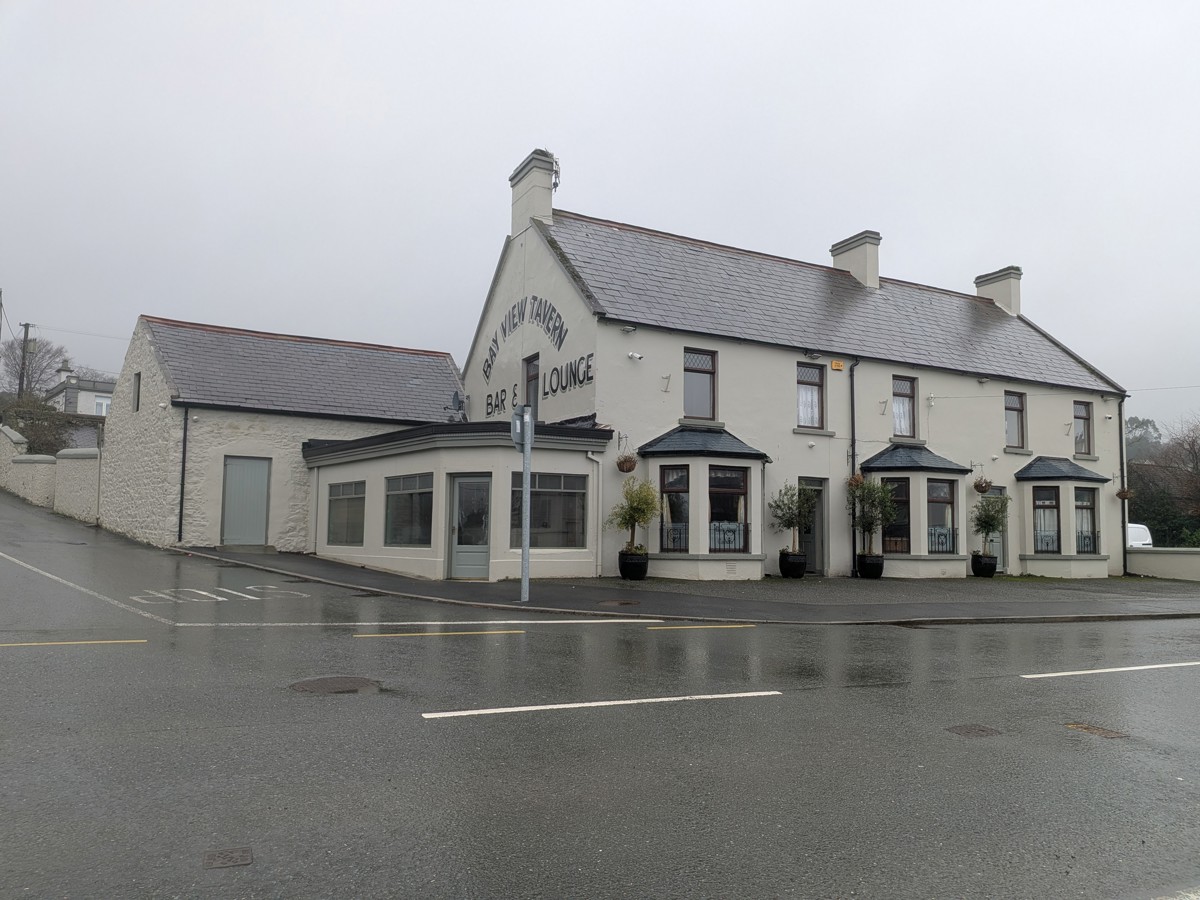
Bayview Tavern
Established in 1860, the Bayview Tavern, also known locally as Howe's Bar, has been a landmark in Omeath for over a century. Built by William Howe in the mid-1860s and later run by his son Jack, the pub has long been a gathering place for the community. It underwent a notable renovation in the 1930s, preserving its charm. The tavern’s legacy also includes a local football team, Bay View, which proudly represented the establishment for nearly a decade.
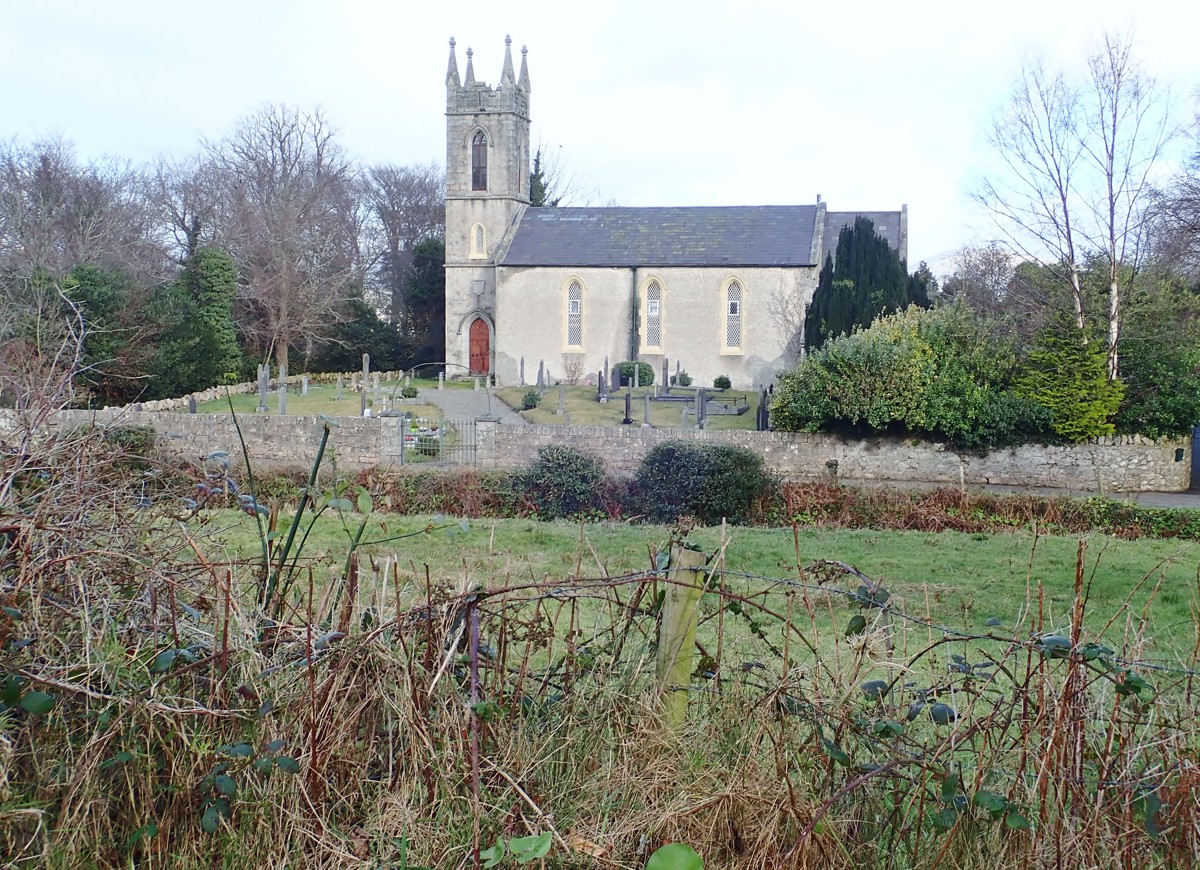
St. Andrews Church of Ireland
Church of Ireland dated to 1838, it was converted to a private residence from 2003 onward.
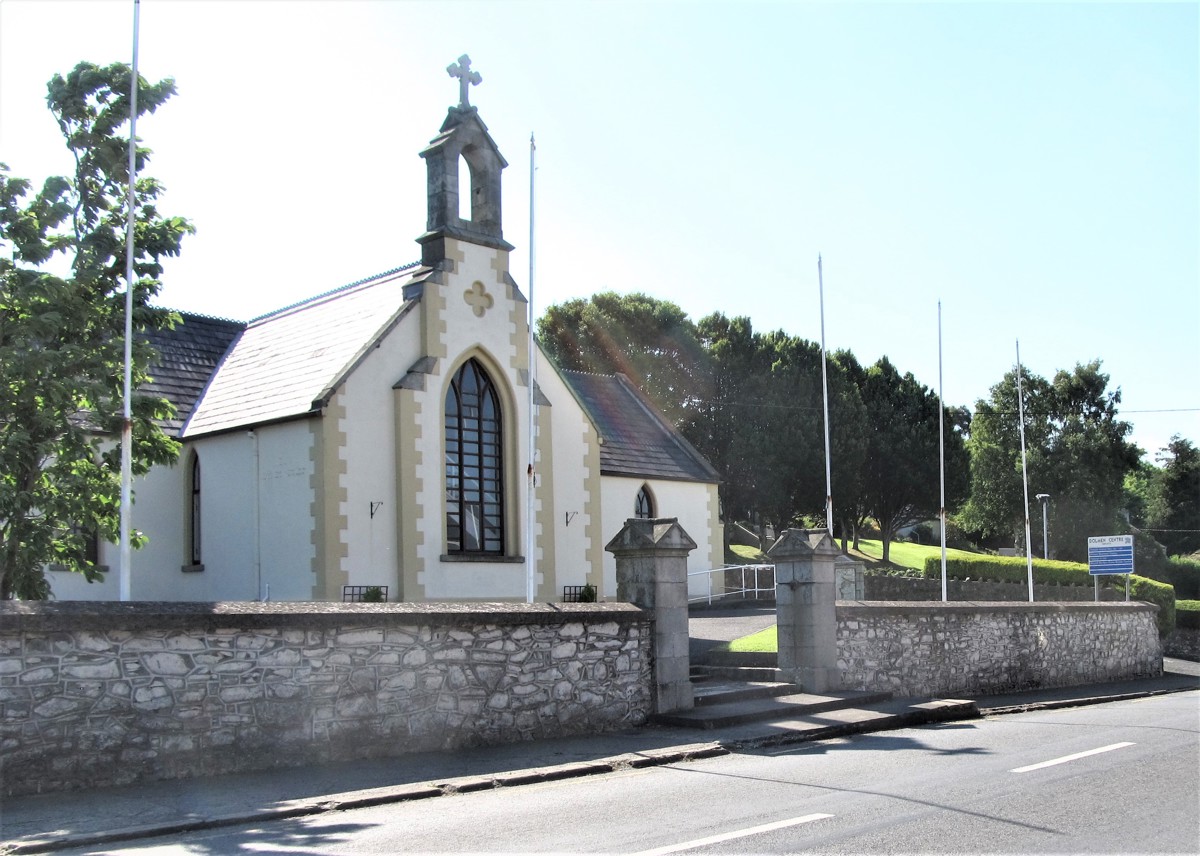
The Dolmen Centre
Formerly the Catholic Church of St. Laurence, was dated to 1836. Since developed into a community hub for the locality.
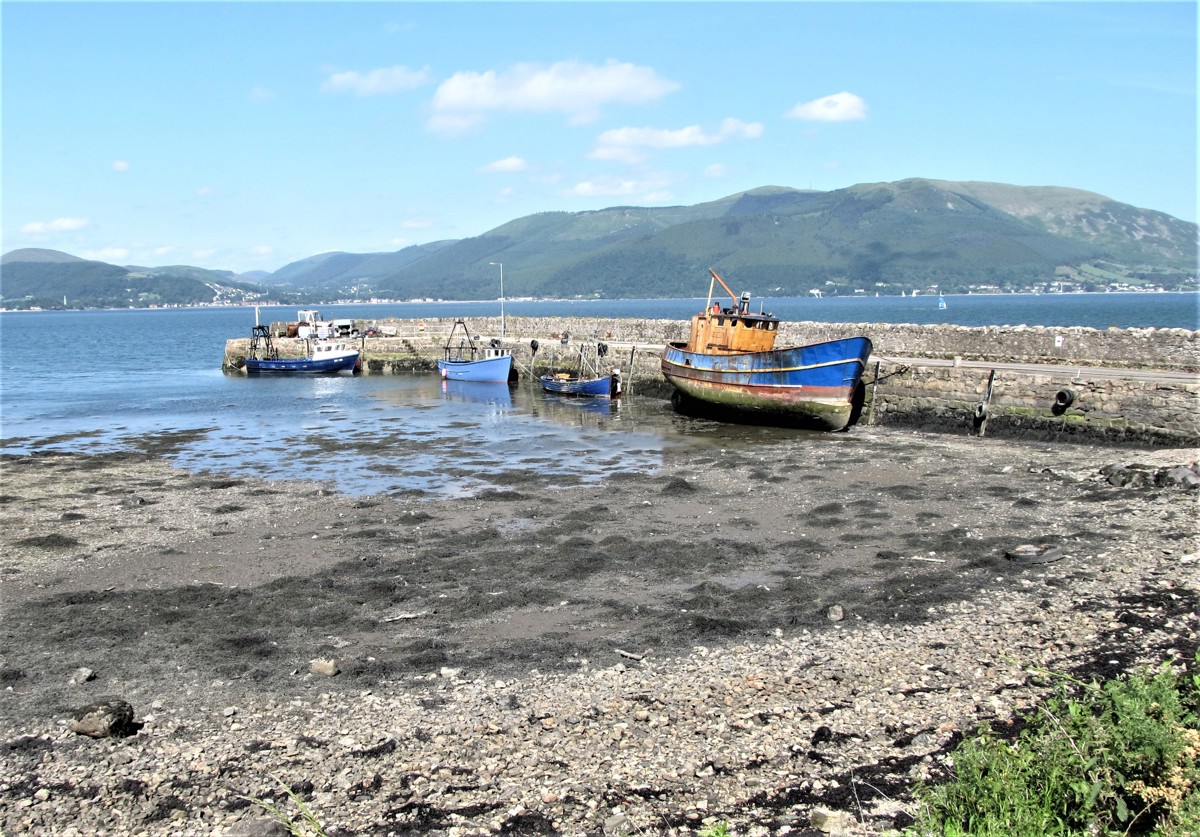
Greers Quay
The quay was built in the 1840s by the Reverend Robert Walker Greer, in an attempt to improve the fishing in Carlingford Lough. For many years the landing place of goods such as coal, Greer also owned a quarry on Slieve Foy, from which rock was taken from the mountain by horse-drawn slipe, and exported out from the quay. This stone was used to cobble Liverpool dock, and the road at the Albert Basin in Newry.
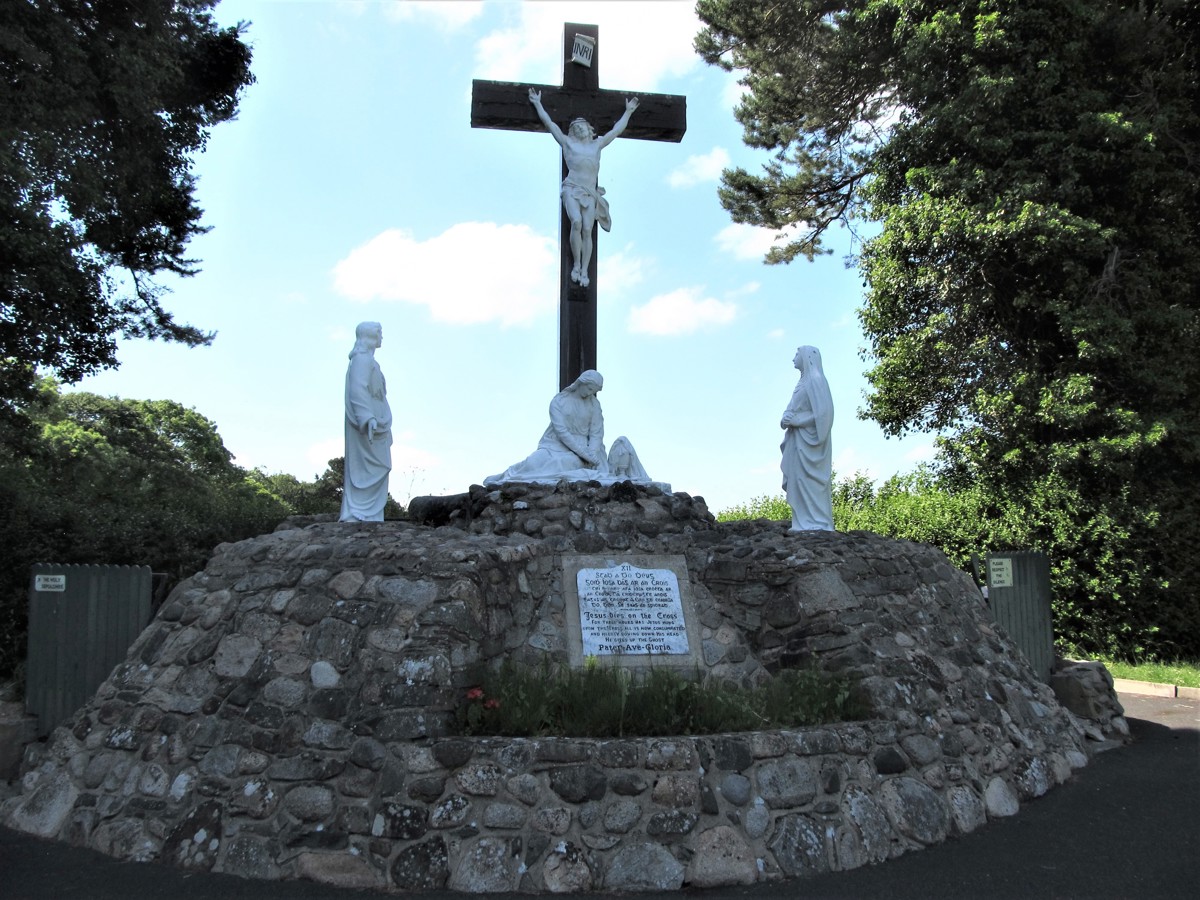
Calvary
Built by the Rosminians in 1905, notable features include historic Way of the Cross, the Shrine of St. Jude, the beautiful Lourdes Grotto, the image of the Divine Mercy, the Fr. Gentili Crypt, and the Fr. Luigi Gentili Gardens.
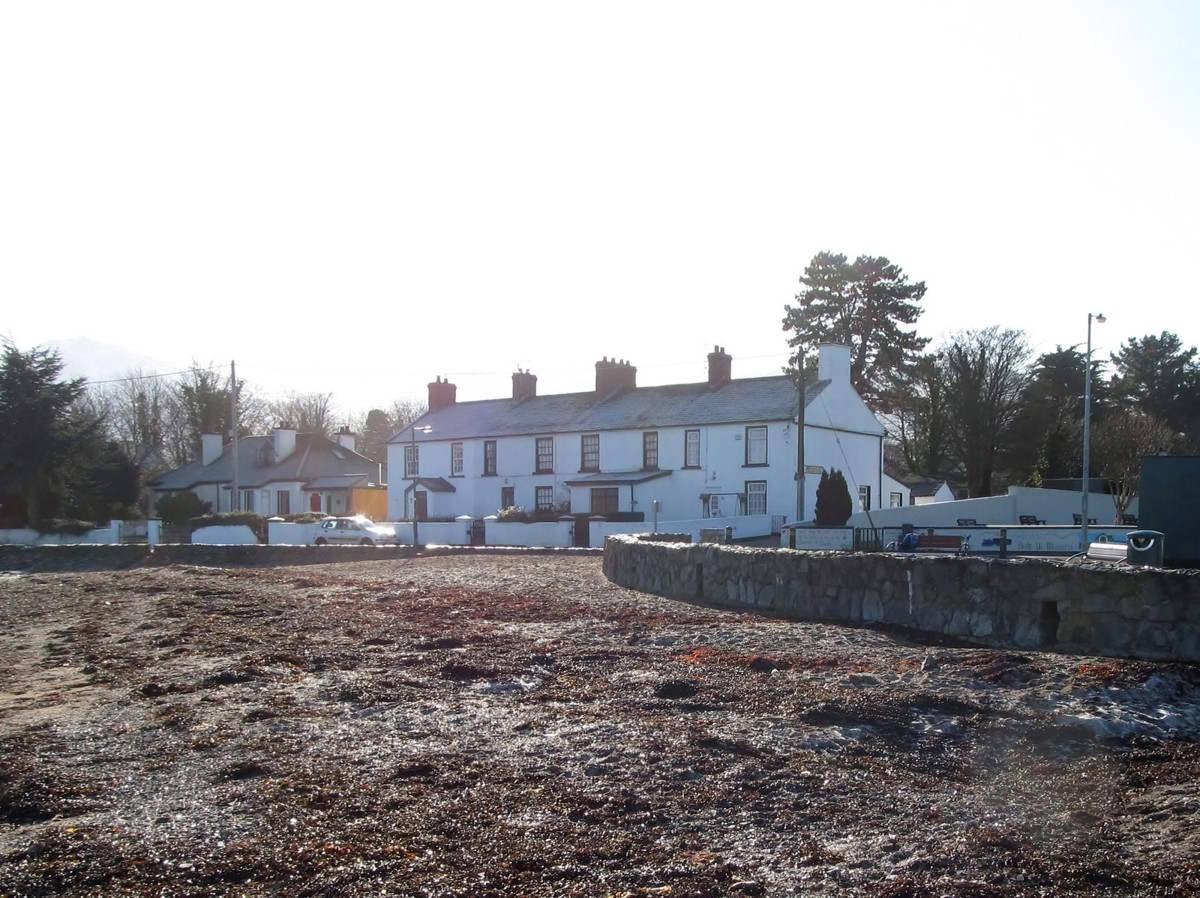
The Coastguards
Built circa 1848, housed in these four dwellings, the Coastguard staff were charged with keeping the lough as safe as possible for those at sea. Now these buildings exist as private residences.
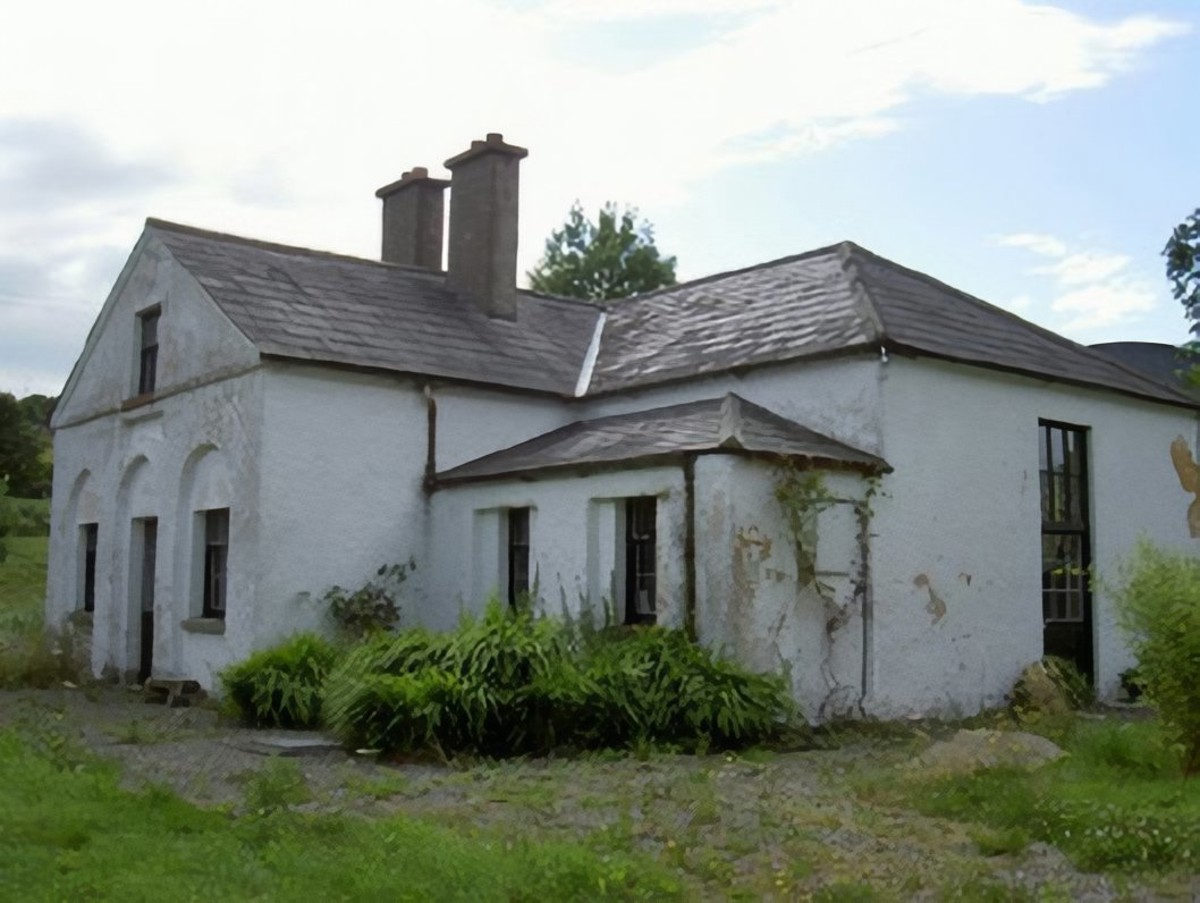
St. Andrews School
This was the school for the local children of the Church of Ireland faith. It was adjoined by a school-house providing accommodation for the teacher and family.
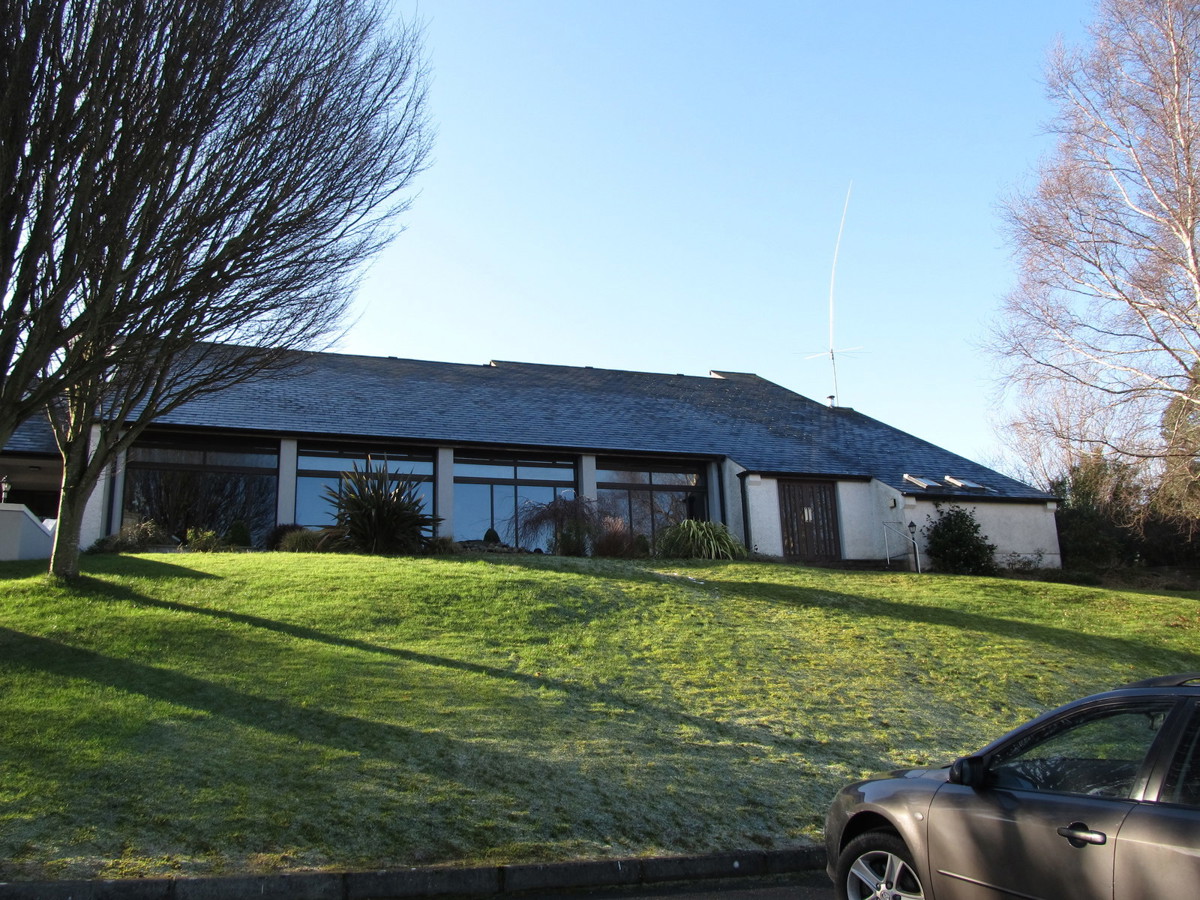
St. Laurences Catholic Church
Opened in 1987 by Cardinal Thomás O'Fiach this modern style church is the only one still active in the village and serving churchgoers today.
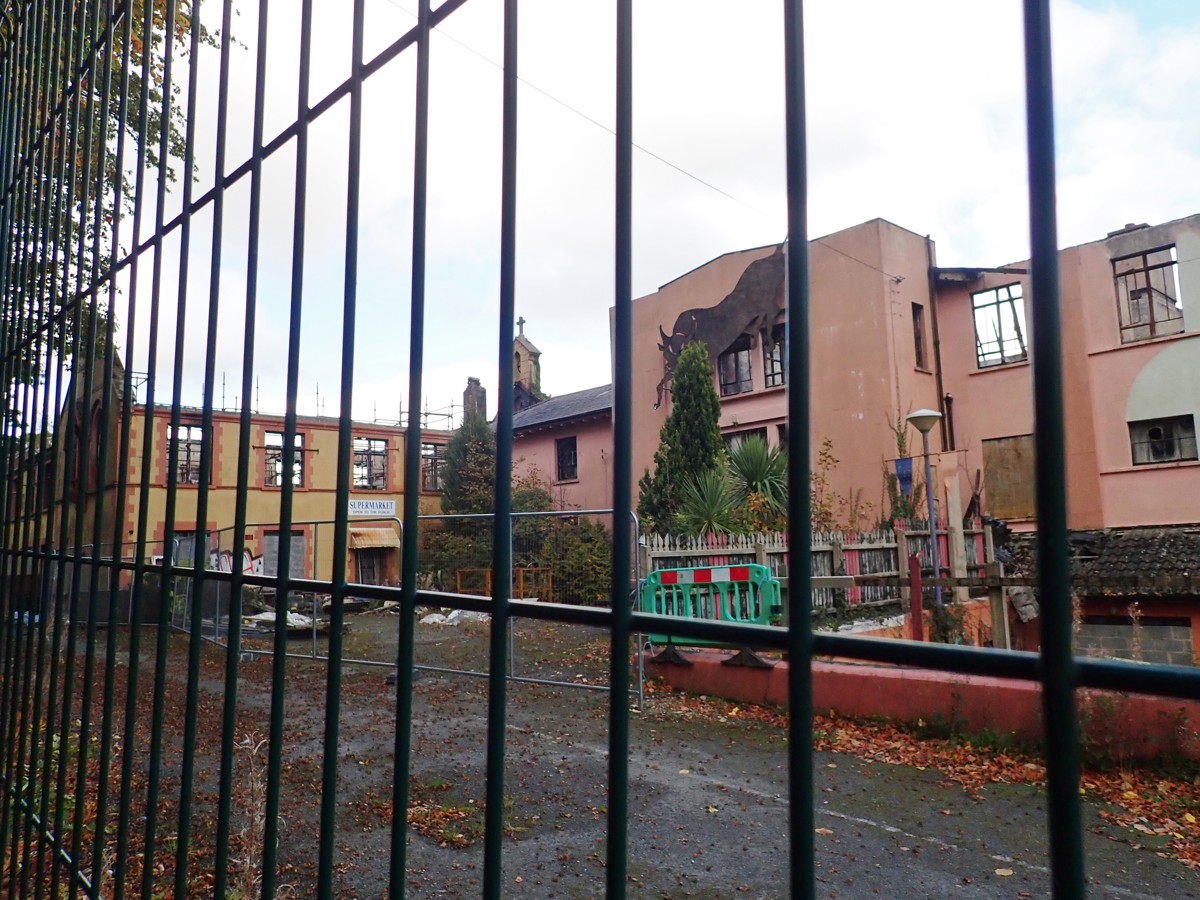
Ballyoonan House
Ballyoonan House was the home of Reverend Greer until the 1880s, after which it was sold to the McCrainor family. In 1901, the McCrainors transferred ownership to the Rosminian Order, under whose management it functioned successively as a seminary for young priests, a boarding school for boys, and a mixed secondary school. Later, the property became known as the Táin Holiday Village, operated by Mr. and Mrs. Quinn.
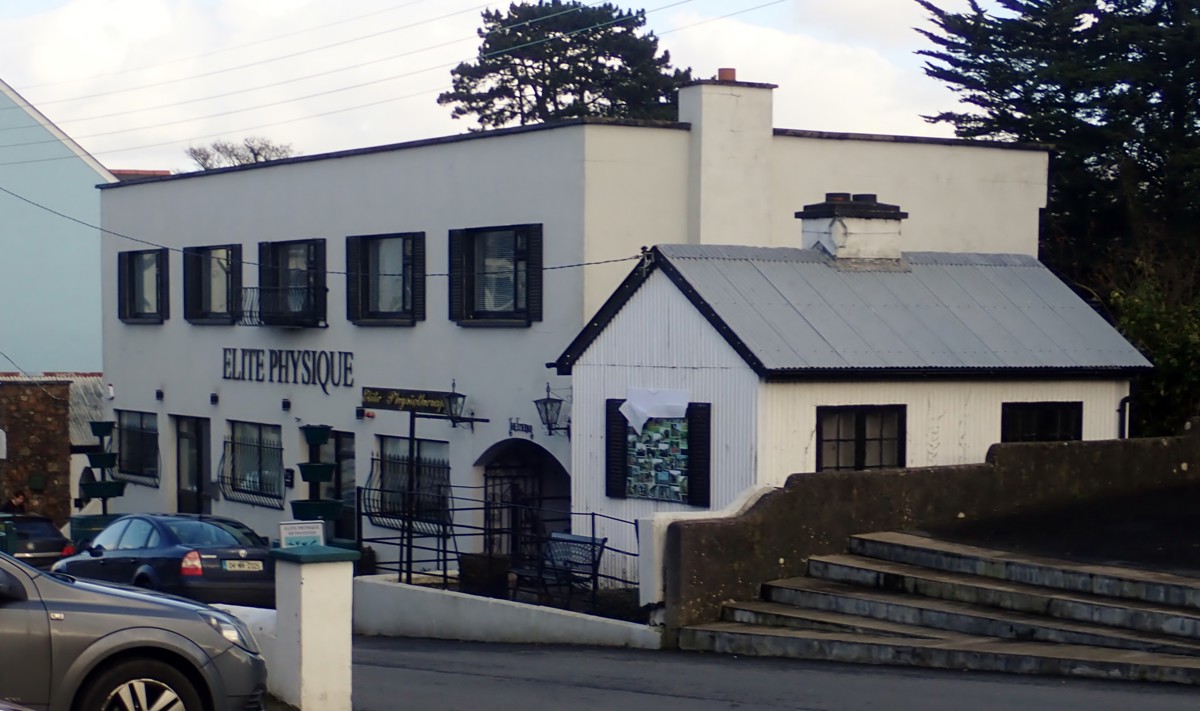
Customs Hut
This seemingly innocuous corrugated steel hut was once an important government building. With partition and the establishment of the Free State in 1921, and the ensuing civil war which followed, it was 1923 before the first Customs stations appeared on the landscape, of which this was one. Their rounds included the ferry at Narrow Water, the lower shore, Jack’s Harbour, Omeath Quay, the Railway Station and Greer's Quay.
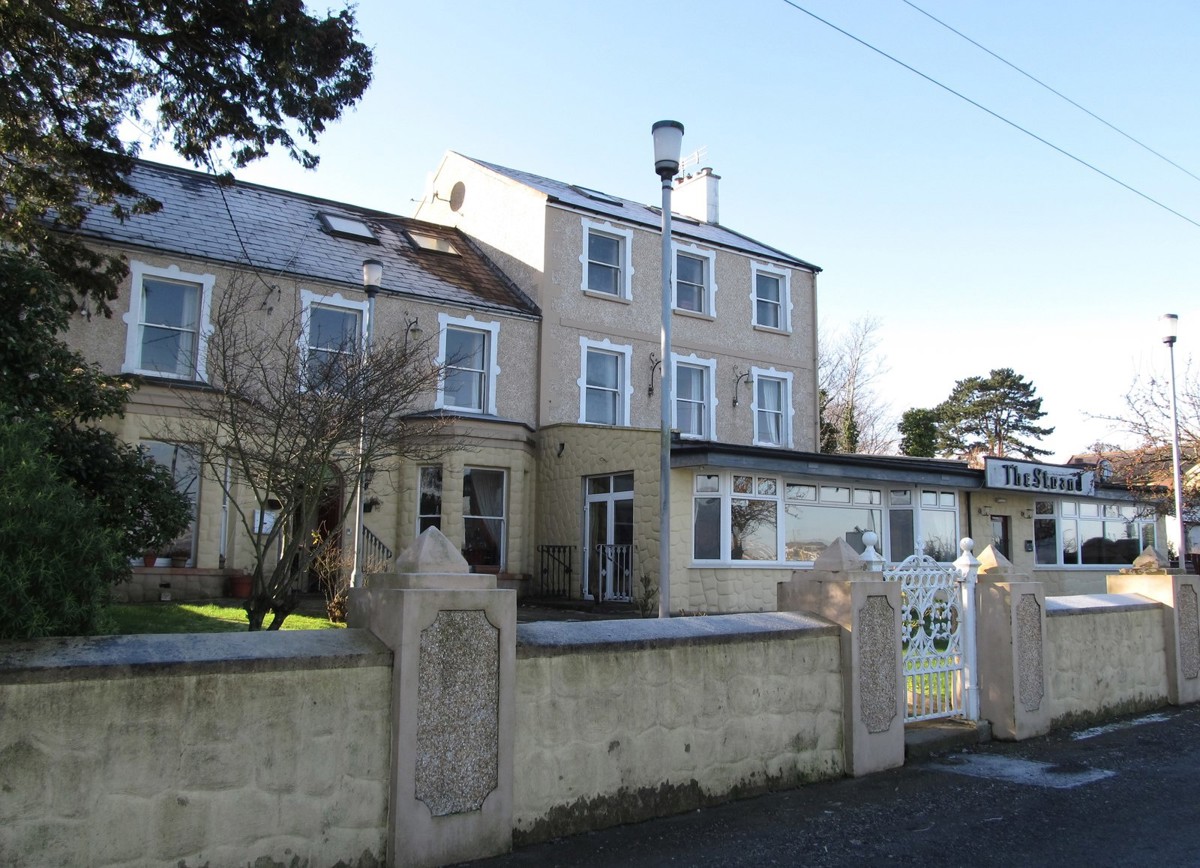
The Strand Hotel
One of Omeath’s oldest establishments, it was a meeting place for Gaelic speakers prior to the establishment of Coláiste Bríde in 1912. Pádraig Pearse and his brother Willie were visitors to the hotel on a number of occasions.
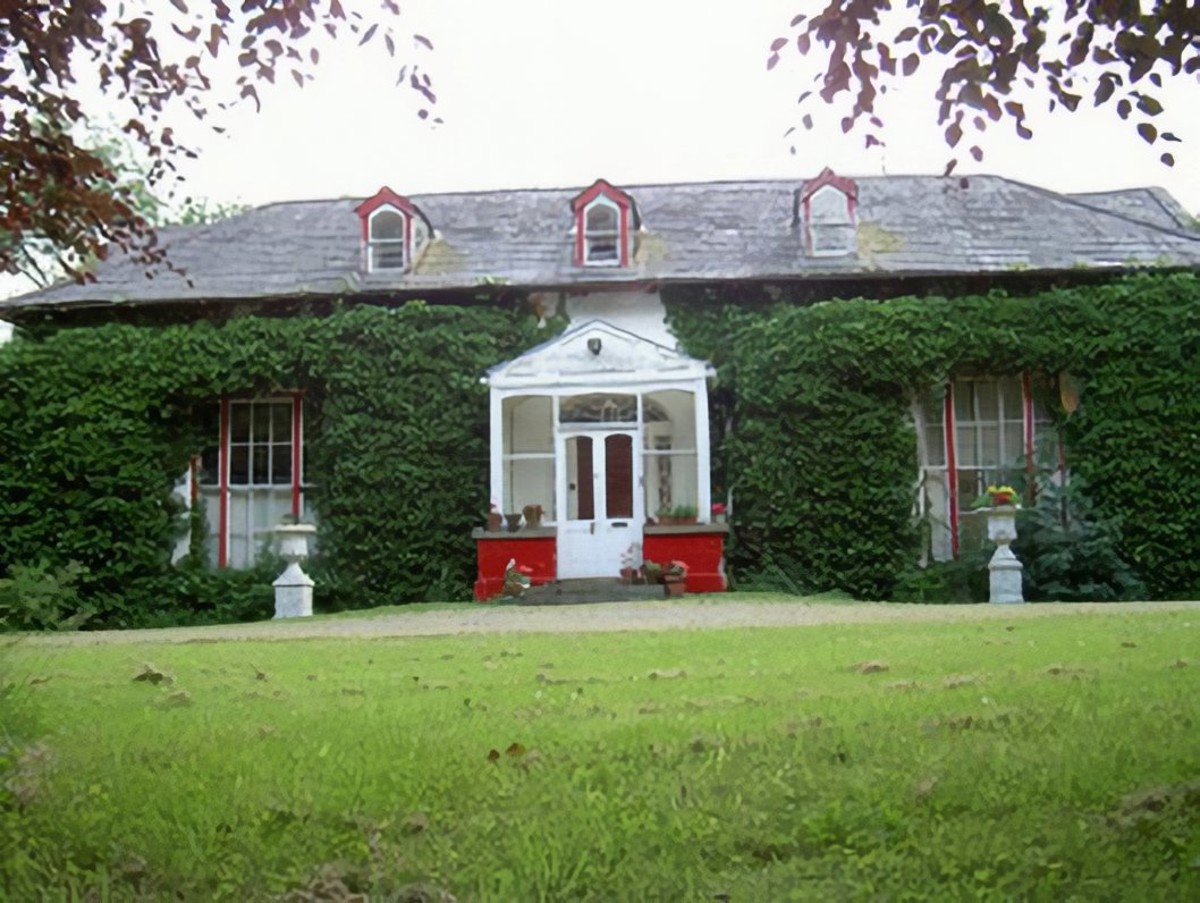
Drumullagh House
Built between 1794 and 1816. Formerly the site of Drummullagh House, most recently owned by the Rooney family, burned down in 2007. This building was formerly the home of Colonel G.M. Dobbin of the Irish Rifles. In the 1850s it was known as Omeath Cottage and owned by Mrs. Catherine Bell. During the Dobbin era, noted author Gertrude Page wrote a book Paddy the Next Best Thing set in this house. Further success of this story saw it made into a play which was on Broadway, and later turned into a movie of the same name.
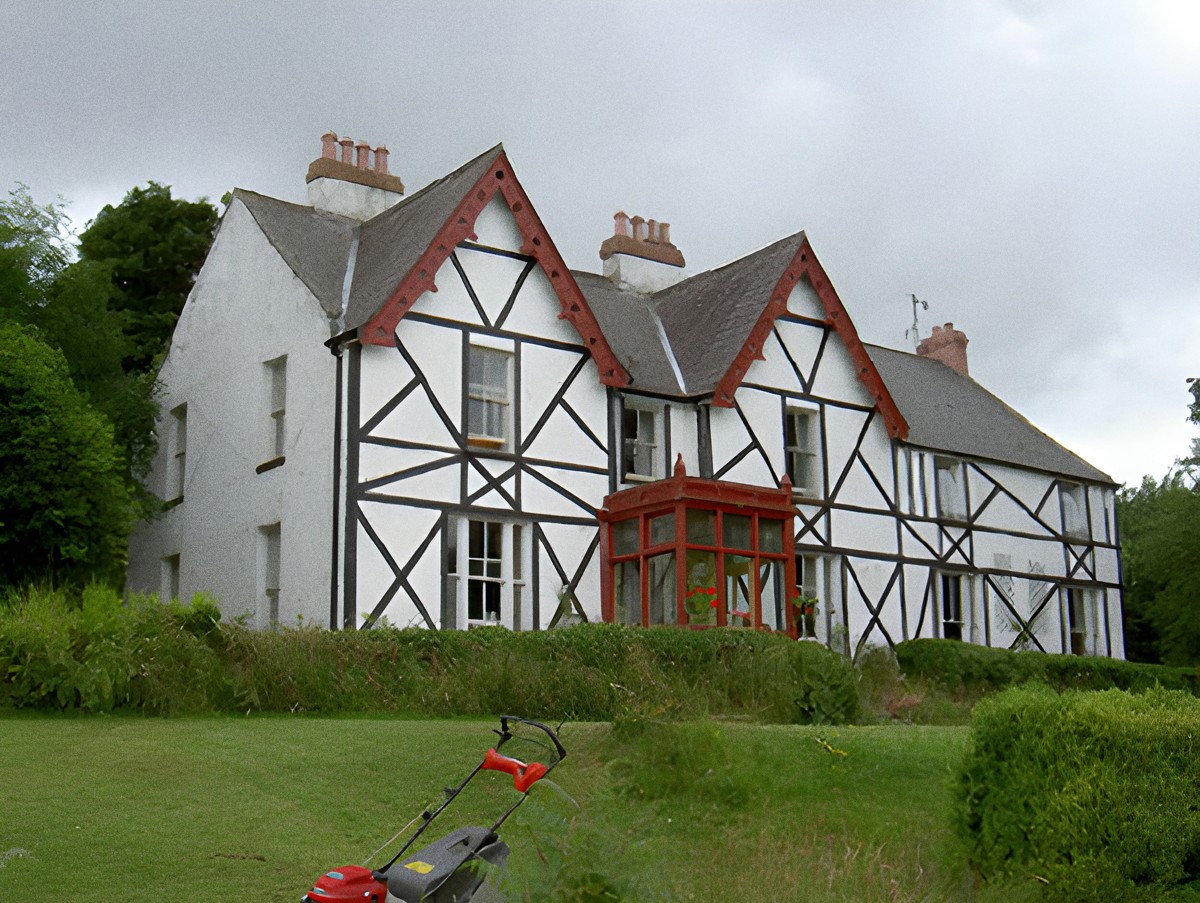
Altmore House
InaccessibleSituated on Church Road in Drummullagh, Omeath, this house was build circa 1841 pre-famine by the McGarry family. Locals have a saying, “Bad and all as things are, we didn’t have to go to McGarry’s pot”. This is a reference to the local famine pot which was sponsored by Mr. Mc Garry. This was used to make a gruel for the local peasants who were starving during the famine. It is still in the locality today. By 1871 the resident is Mr. George Mc Cracken, and there was a memorial to a young daughter who died while in residence in Altmore, now in Bush Church, it was originally in the Church of St. Andrew in Drummullagh, Omeath. In the 1911 Census, Retired Lieutenant Colonel John Alexander McCracken who was born in Co. Down is the listed inhabitant. A native of Co. Down, he was a retired soldier, who was living with two of his four children: Nora Constance Mary was born in the East Indies, and Nina Janie Marguerita was born in Barbados, West Indies indicating a number of military campaigns overseas. Mr. Patrick Carroll, a wholesaler of shell-fish especially oysters bought the house in 1941. The road on which Altmore sits, Church Road, is locally known as Carroll’s Hill. Frances Carroll, the daughter of this house married Mr. Joe Molloy and this family are still in residence today.
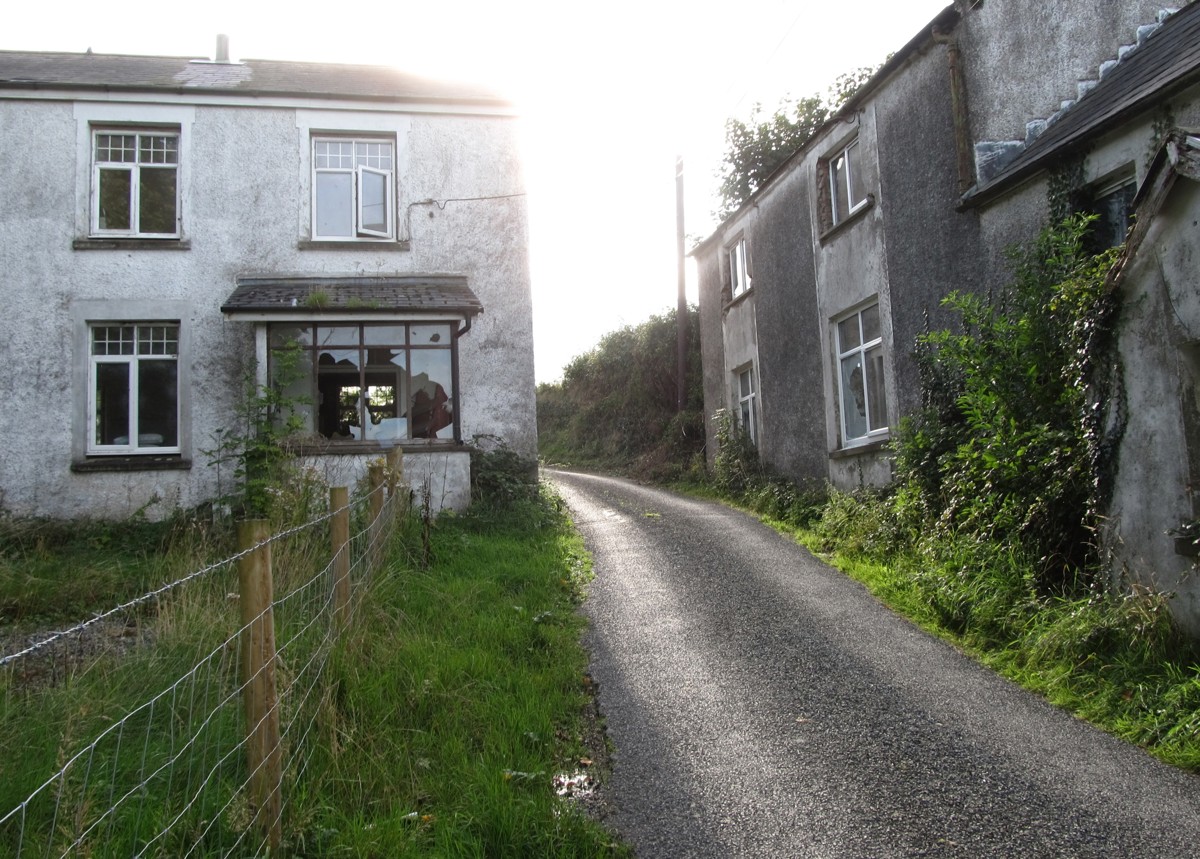
Ballinteskin Mill
Known locally as both Dullaghan’s Mill and Larkin’s Mill, names that denote two distinct periods in its history. Originally a flour mill, it was powered by the Ryland River, known locally as the Essmore from the Gaelic Eas Mór, meaning "big waterfall". Later, the mill was used to grind oyster shells for fertilizer. In 1919, it was purchased by Coláiste Bríde and accommodation for students was added. Subsequently, the property was acquired and operated as a youth hostel by An Óige.
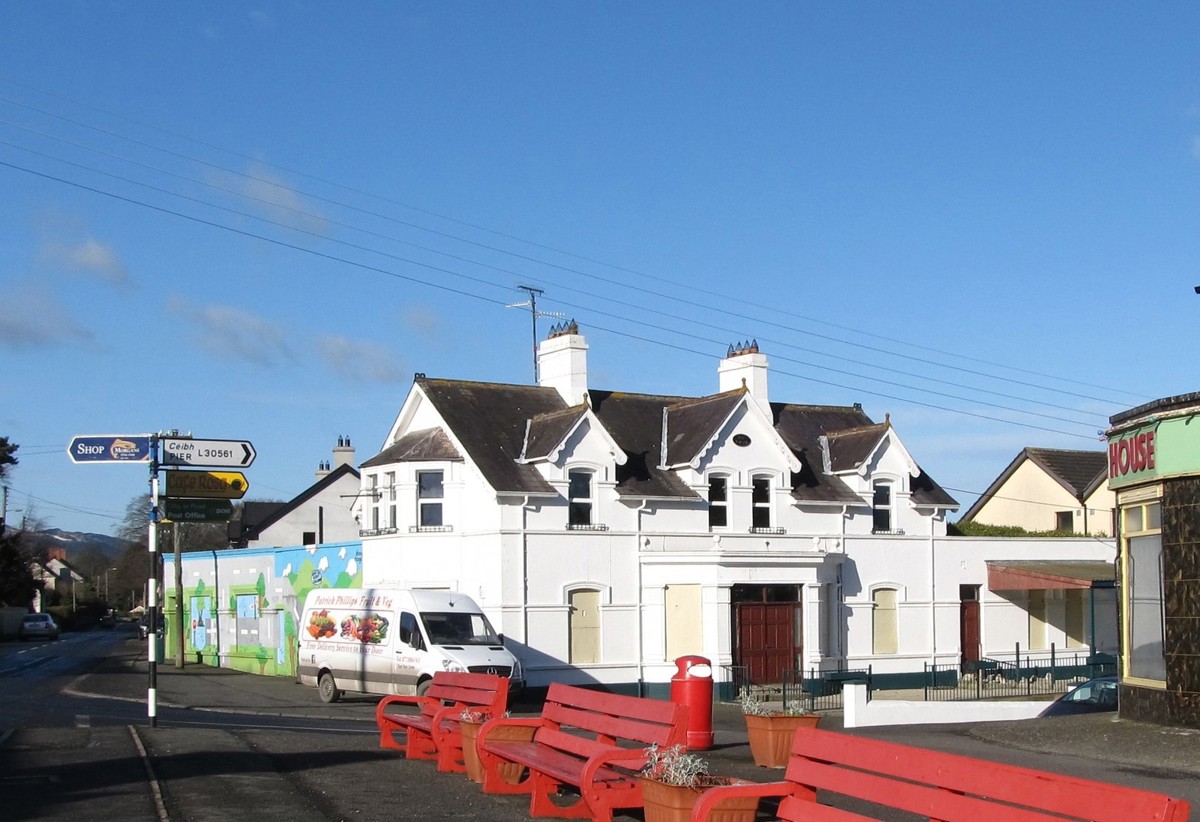
Dublin House
Dublin House, situated at the crossroads in Omeath, County Louth, has long been a notable landmark in this quaint village on the Cooley Peninsula. Historically, it served as a popular public house and lounge bar, contributing to the social fabric of the community. In August 2009, a significant fire severely damaged the establishment. The blaze was substantial, necessitating the deployment of six fire units from Carlingford, Dundalk, and Drogheda. The extension on the Newry side of the building was completely destroyed. Following the fire, Dublin House remained boarded up for several years, its once vibrant presence reduced to a derelict structure. Photographs from 2012 and 2015 depict the building in its neglected state. In September 1975, Louis Doyle offered the use of his lounge to St.Brigid's national school while the Ardaghy school was being rebuilt following a fire. For a time it was also a polling station for elections.
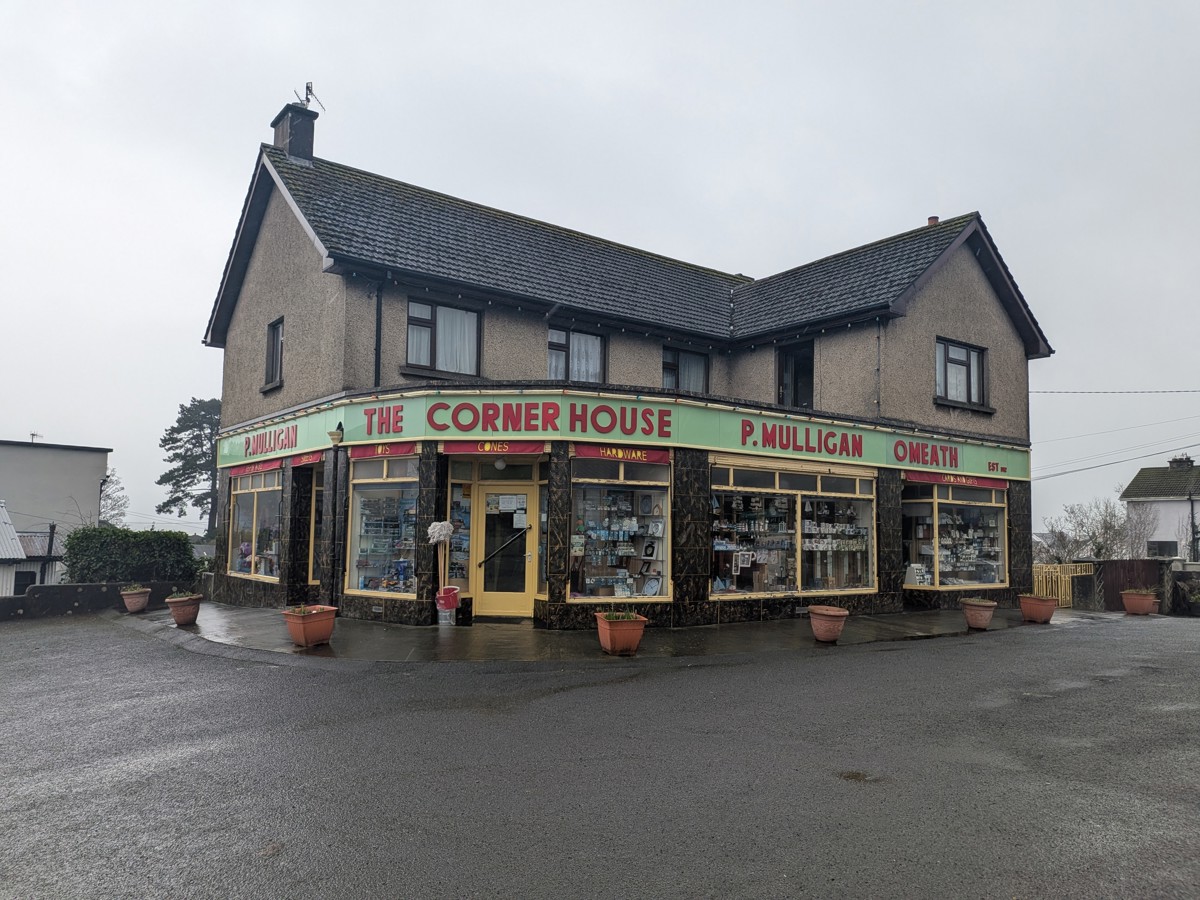
The Corner House
Built and opened by Paddy Mulligan in 1952, this centre-piece of the village is still run by the Mulligan family.
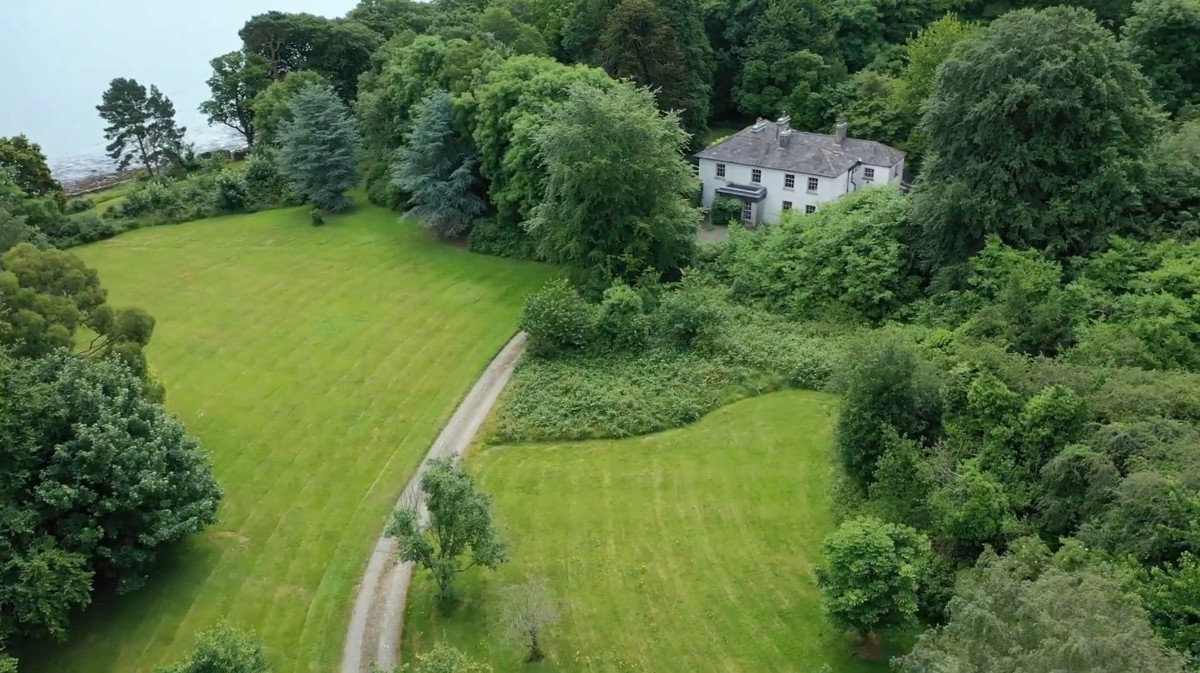
St. Andrews Rectory
Attached to the Church of St. Andrew, the residence of the local rector, built circa 1837. Previously known as Glebe House and currently known as Omra Park.